
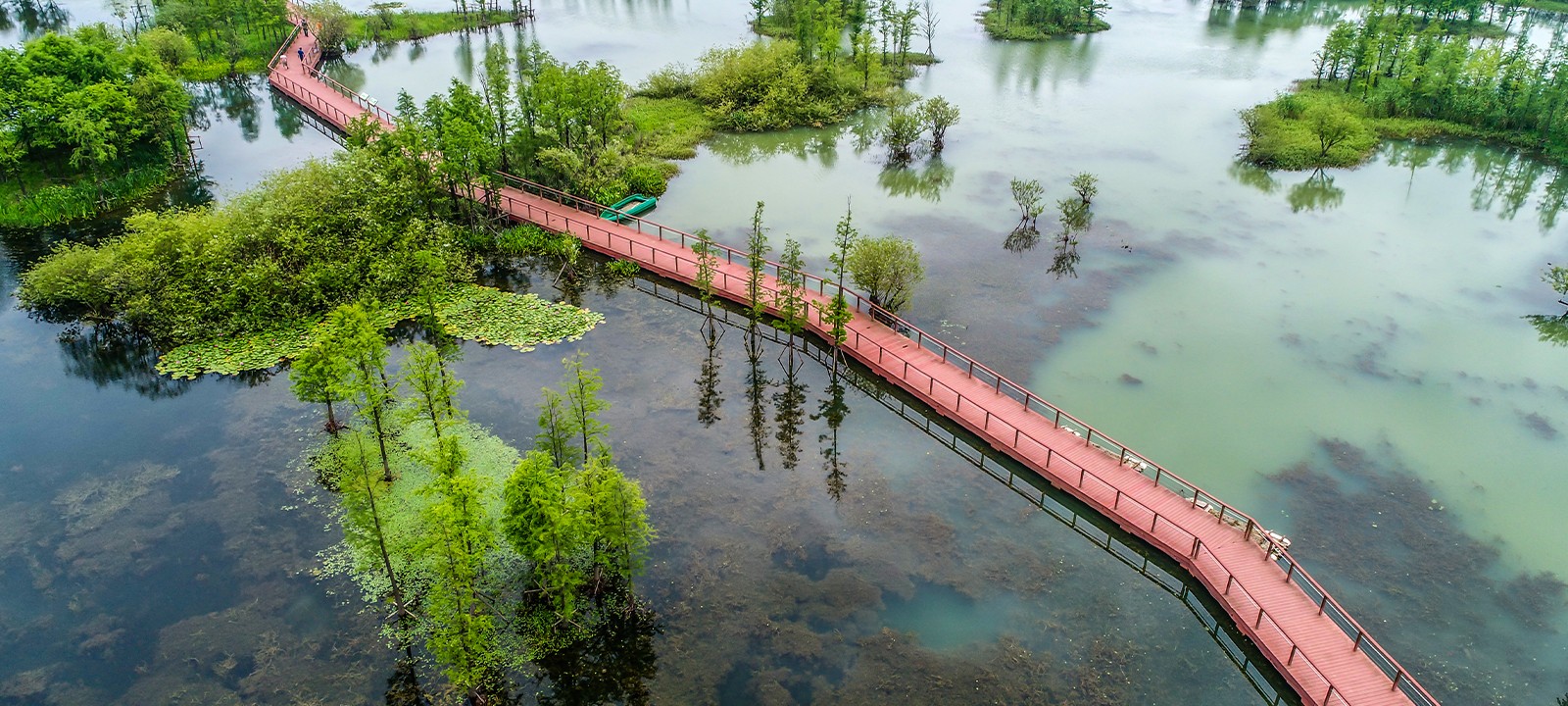
The restoration of a polluted waterway ecosystem
A case study on how a polluted river was revived through community action, sustainable practices, and ecological restoration.
Once a lifeline for the surrounding communities, the waterway had become heavily polluted due to years of industrial discharge, agricultural runoff, and unmanaged waste dumping. Biodiversity had vanished, water quality had plummeted, and nearby residents faced health hazards. In response, a multi-stakeholder initiative was launched to restore the ecosystem.
The first phase focused on identifying and eliminating pollution sources. Local authorities worked with environmental experts to regulate industrial output, establish waste treatment protocols, and introduce stricter penalties for illegal dumping. Farmers in the watershed were encouraged to adopt eco-friendly agricultural practices, reducing chemical runoff through buffer zones and organic alternatives.
Simultaneously, an ambitious cleanup campaign was launched. Volunteers and local organizations removed debris from the riverbanks, while dredging operations cleared contaminated sediment from the riverbed.
The challenge
Once a vital lifeline for surrounding communities and wildlife, the waterway had become severely polluted after years of neglect. Industrial discharge, untreated sewage, and agricultural runoff led to:
Toxic water quality
Loss of aquatic biodiversity
Public health concerns
Community disconnection
Lack of real-time monitoring
Our solution
A collaborative restoration program was launched, bringing together government agencies, environmental scientists, and local communities to rejuvenate the ecosystem through a science-based and community-first approach.
Pollution Source Control
Introduced stricter industrial waste regulations.
Wetland Buffer Zones
Constructed natural filtration buffers to trap runoff pollutants.
Biodiversity Recovery
Reintroduced native plant and aquatic species to restore ecological balance.
Key results & impact
The implementation of UrbanNest Home’s green logistics strategy delivered measurable and lasting results. Most notably, the company achieved a 40% reduction in carbon emissions from last-mile deliveries.


Sediul Central:
Sucursala Bucuresti:
Punct de lucru Timisoara:
Punct de lucru Iasi: